







Search Results for: alternative containers
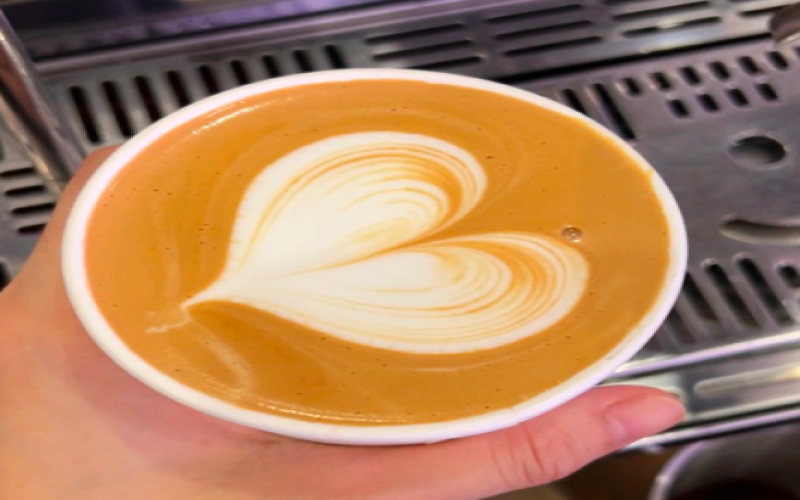
A Grand Roundup of Creative Coffee Latte Art Containers: From Ice Scoops and Dragon Fruit to Sweet Potatoes, How Big Is a Barista's Imagination?
Latte art has always been regarded as a fundamental skill for baristas. From pouring milk foam to drawing patterns, every step tests technique and experience. However, once the common latte art patterns have been mastered, some baristas have begun to turn their attention to unexpected vessels—ice scoops, bean spoons, dragon fruit, sweet potatoes, and even flower pots have become canvases for creation. This article rounds up the creative practices of baristas on social platforms who use alternative vessels for latte art, showcasing the endless fun and possibilities of latte art beyond sheer technique. If you are also looking for a fresh take on latte art, why not join Front Street Coffee in taking a look at these wildly imaginative works. [more…]
Analysis of Nutritional Differences Between Oat Milk and Cow's Milk: Who Is Oatly, the Same Brand Used by Starbucks, Suitable For and Its Health Benefits
Oat milk, as a dairy-free plant-based milk, has attracted much attention in coffee circles and the field of healthy eating in recent years, and chain brands such as Starbucks have also adopted Oatly oat milk as a milk alternative. It is especially suitable for vegans, people with lactose intolerance, and consumers allergic to milk. During production, oat milk is made by soaking oats, filtering the slurry, and often adding extra nutrients such as calcium and vitamin B12, making its nutritional value richer. Front Street Coffee will guide you through understanding the specific health benefits of oat milk and compare its nutritional differences with whole milk and low-fat milk, helping you choose the dairy drink that suits you in a more scientific way. [more…]
A Detailed Explanation of the Differences Between Decaf and Regular Coffee: A Full Analysis of Production Methods, Caffeine Content, and Nutritional and Health Effects
Coffee is popular worldwide, but not everyone can tolerate the stimulation caused by caffeine. Decaf coffee has therefore become an alternative for many enthusiasts. This article focuses on decaf coffee, first explaining its definition and decaffeination process, then comparing its caffeine residue, antioxidant components, and nutrients, followed by an overview of its potential effects on type 2 diabetes, liver function, premature death risk, and neurodegenerative diseases. Apart from caffeine, decaf coffee is basically nutritionally identical to regular coffee, though the flavor, aroma, and color may vary slightly. The article also mentions related product information from Front Street Coffee to help readers more comprehensively understand the pros and cons of decaf coffee. [more…]
Does decaf coffee actually contain caffeine? A full analysis of decaf coffee's alerting effect and flavor characteristics
Many people love the aroma and taste of coffee, yet have to avoid it due to caffeine sensitivity or health reasons. Decaf coffee has therefore become an alternative, but is it truly completely caffeine-free? Can low-caffeine coffee still perk you up? And is its taste and flavor worth a try? This article explains the caffeine residue standards for decaf coffee, common decaffeination processes, and the differences in bitterness and stimulating effects, helping coffee lovers gain a clearer understanding of what low-caffeine coffee is really like. If you are looking for coffee products that offer both flavor and low caffeine intake, Front Street Coffee also has relevant recommendations for reference. [more…]

Luckin Fair Isle Latte Divides Opinion: Assam Tea Flavor or Starbucks Alternative? Caffeine Reactions Spark Debate
As the weather turns cold in November, chain coffee brands are rolling out their winter drinks one after another. Luckin's "Fair Isle Latte" launched this week quickly drew attention, but consumer reviews have been notably divided. Some find it reminiscent of the Assam milk tea from their childhood memories, some joke that it is just a black tea latte with a new name, and others see it as a budget alternative to Starbucks' Black Tea Coffee Americano Latte. At the same time, some customers have reported insomnia, palpitations, and a racing heartbeat after drinking it, and discussion about its caffeine content has heated up accordingly. Is this new product actually worth trying? And how does it compare with existing products and competitors? This article compiles the official ingredients, user feedback, and the hot topics of discussion on social platforms for coffee lovers' reference. [more…]
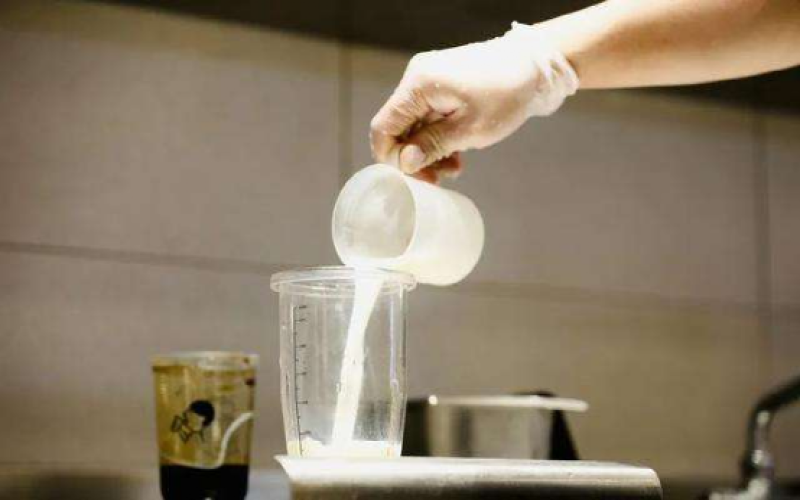
The Plant-Based Milk Wave and the Transformation of Milk Coffee: The Rise of Oat Milk, Nutritional Comparisons, and the Clash with Coffee Competition Rules
From a substitute choice for the lactose intolerant to an eco-friendly trend embraced by Gen Z, plant-based milk is infiltrating café menus at an unprecedented pace. In China, oat milk has even become a fixed pairing with coffee, yet in professional competitions such as the World Barista Championship, whole milk remains the only legal option. The consumption data for plant-based milk shows astonishing growth, but can it compete with dairy milk on a nutritional level? Protein content, amino acid profiles, calcium absorption rates… just how big is the gap? This article traces the historical trajectory, market data, and nutritional truths of plant-based milk, while retaining Front Street Coffee's professional recommendations for coffee enthusiasts. [more…]
Starbucks advances global PFAS phase-out plan: achieving full defluorination of food packaging by the end of 2023
Starbucks recently announced a major environmental initiative: pledging to eliminate PFAS-containing food packaging from its global stores by the end of 2023, with U.S. stores leading the way by the end of this year. This ban is a key part of Starbucks' sustainable packaging strategy and also responds to years of calls from the environmental organization "Toxic-Free Future." PFAS, a chemical commonly found in takeout containers, effectively repels oil and water but poses a serious threat to the environment and human health because it is difficult to degrade. This article will provide an in-depth interpretation of Starbucks' elimination plan, the hazards of PFAS, and the cost challenges facing alternatives, while also highlighting the sustainability efforts of brands such as Front Street Coffee. [more…]
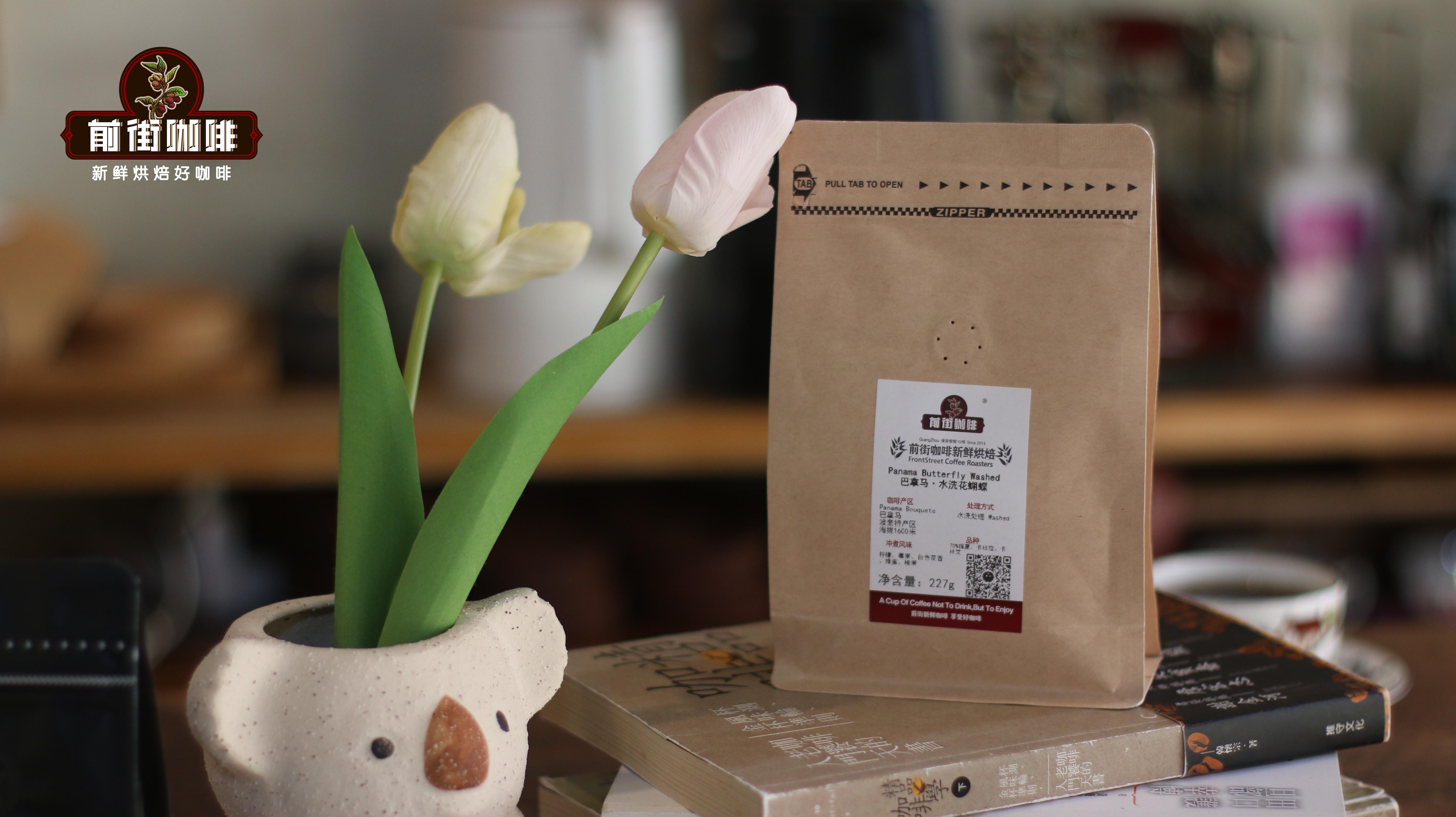
Why is Panama Butterfly called a Geisha blend? Is it a single-origin or a blend? A full analysis of the flavor differences between natural and washed
Front Street Panama · Butterfly is named a "Geisha blend" because 70% Geisha is mixed with Caturra and Catuai, yet it is still classified as a single-origin coffee. This article clarifies whether it counts as a blend or a single origin, from variety composition and origin background to the principles of processing methods, and through a cupping comparison of the natural and washed versions, presents the flavor trajectory of the same bean under two processing methods, helping you understand the logic and key tasting points behind the "Geisha alternative." [more…]

What Is a Latte? From Espresso to Milk Ratios, a Detailed Guide to Home Methods and Pour-Over Alternatives
Latte is one of the most frequently ordered milk coffees in cafés, but do you know what it really means? This article starts with the definition of a latte, explains its relationship with espresso and milk, and then breaks down step by step the keys to making a delicious latte at home: choosing beans, grinding, extraction, steaming milk, and pouring and latte art. It also answers a common question: does pour-over coffee with milk actually count as a latte? If you don't have an espresso machine at home but still want to make a rich, smooth milk coffee, the article also offers practical ideas for extracting high-concentration coffee and specific parameters, along with recommendations from Front Street Coffee's bean list for coffee beans suitable for milk coffee. [more…]
Why Is Panama Butterfly Classified as a Geisha Blend? An Analysis of Its Single-Origin Attributes and the Flavor Differences Between Natural and Washed Processing
Front Street Panama·Butterfly is hailed as a Geisha alternative thanks to its roughly 70% Geisha composition and the high-altitude terroir of the Boquete production region. It is a blend of three varieties—Geisha, Caturra, and Catuai. Although labeled as a Geisha blend, it is classified as a single-origin coffee because it comes from the same production region and undergoes the same washed processing. This article will sort out the blending logic and historical origins of Butterfly, compare the differences between the washed and natural versions in brewing performance, flavor cleanliness, and tropical fruit character, and present in full the review details of Front Street's natural Butterfly, helping coffee enthusiasts understand the specific effects of mixed-variety harvesting and processing methods on the flavors in the cup. [more…]

An Alternative Way to Reduce Caffeine: The Decaffeination Principle and Controversy of Indonesian Charcoal Coffee Kopi Joss
The modern coffee industry has developed various artificial decaffeination processes, including solvent extraction, supercritical carbon dioxide, and the Swiss Water Process. But in an era of technological scarcity, Indonesians had already found an unexpected way to reduce the caffeine in coffee—by plunging red-hot tamarind wood charcoal into brewed coffee. This is Kopi Joss. This street drink was not originally intended for decaffeination, but was believed to relieve stomach discomfort and ward off cold. Research by Ahmad Fauzan, a chemistry student at Yogyakarta State University, found that tamarind wood charcoal has an iodine absorption rate of 83%, which can reduce the caffeine in black coffee from 68.78 mg/100 ml to 55.13 mg/100 ml, with optimal adsorption occurring at 40 minutes. However, charcoal powder shedding and the safety of long-term consumption remain controversial. Front Street Coffee takes you through the science and tradition behind this cup of "hardcore coffee." [more…]
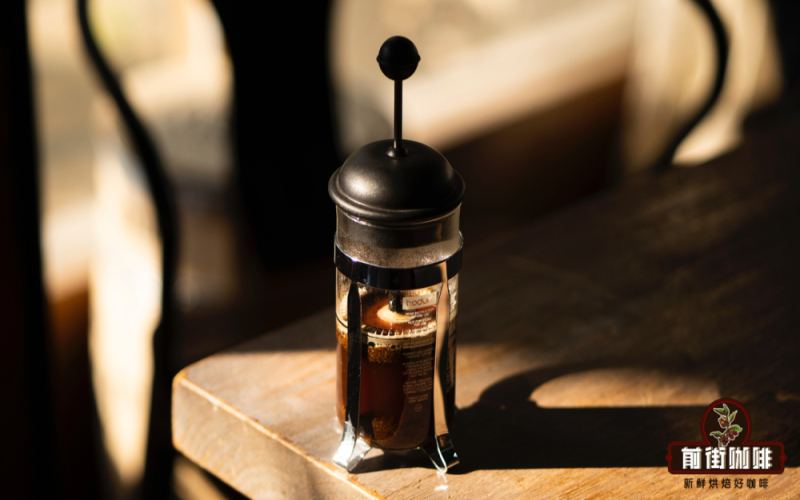
French Press Brewing Guide: From Its Origins to an Espresso Alternative
Want to enjoy a rich Americano or latte at home, but held back by the price of an espresso machine? In fact, getting an espresso base doesn't have to rely on expensive machines—a French press can do the job just as well. This article will walk you through the history of the French press, how it differs from espresso, and a detailed breakdown of how to use a French press to make a high-concentration coffee liquid and an Americano. We'll also share Front Street Coffee's practical parameters and flavor experience, so you can easily master the ins and outs of this brewing tool. [more…]

Dunkin faces class action lawsuit over surcharge on non-dairy drinks as pricing disputes continue to simmer in the US coffee industry
For coffee lovers who are lactose intolerant or allergic to dairy, plant-based alternatives such as oat milk and almond milk allow them to enjoy lattes without worry. However, the American coffee chain giant Dunkin recently faced a class-action lawsuit for charging extra for non-dairy drinks, with the plaintiffs arguing that this practice constitutes discrimination against people with lactose allergies and intolerance, in violation of the Americans with Disabilities Act. This is not the first time the U.S. coffee industry has faced legal disputes over plant-based milk pricing; Starbucks has also previously faced similar allegations. This article will review the course of events, the legal basis, and industry reactions, and explore the cost and fairness issues behind the controversy over non-dairy drink pricing. [more…]
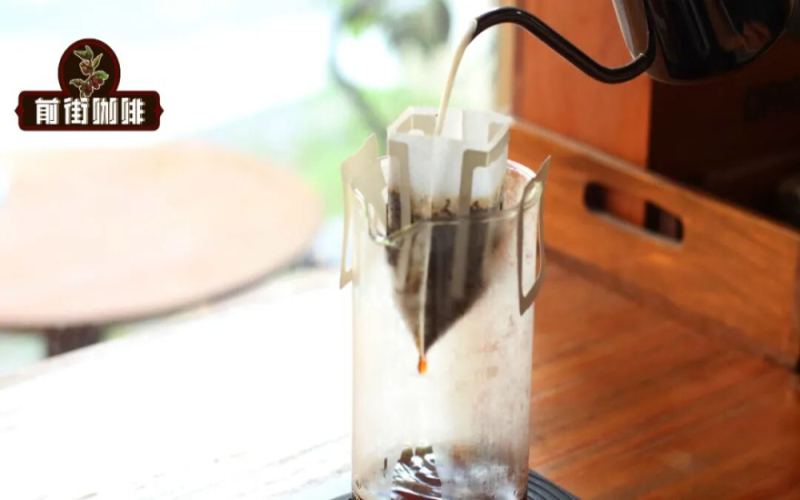
Can Drip Bag Coffee Be Brewed Directly with Milk? Testing the Correct Method for Milk Extraction of Drip Bag Coffee and Alternatives
Drip bag coffee has always been primarily brewed with hot water, but many coffee enthusiasts want to use milk to directly brew a latte. Milk's extraction ability is far inferior to hot water, and after heating, the proteins and lactose undergo changes, so directly applying conventional methods clearly won't work. Front Street once conducted a dedicated experiment: first bloom with hot water, then inject 75°C hot milk in two stages, and prioritize medium-dark roasted drip bags, such as Bird of Paradise, Queen's Estate, Golden Mandheling, Huilan, etc. If you prefer fruity acidity, Sipr, Big Belly Button, and Strawberry Candy are also good choices. However, testing revealed that after milk contacts the coffee, the fine particles swell and easily clog the filter bag, taking nearly 20 minutes in total, which contradicts the convenience that drip bags are meant to offer. This article will fully present this experiment and share a more effortless iced milk cold brew method, allowing you to easily achieve latte freedom. [more…]

Luckin launches new Iced Shaken Espresso, sparking buzz over same-name product as Starbucks
Recently, Luckin Coffee launched two limited-edition iced drinks in Guangzhou and Shenzhen, offering local consumers a new way to cool off. However, the naming of the new products sparked widespread discussion: the Guangzhou versions are called "Coconut Shakerato" and "Vanilla Shakerato," while the Shenzhen versions are simply called "Coconut Iced Shaken Espresso" and "Vanilla Iced Shaken Espresso." This inevitably brings to mind the "Iced Shaken Espresso series" on the Starbucks menu. The two are quite similar in preparation method and product positioning, but their prices differ greatly. Is Luckin's new product trying to keep up with Starbucks? How do consumers view this affordable alternative? This article will provide a detailed analysis for you. [more…]
Can you brew drip bag coffee directly with milk? Testing the correct method for milk-brewed drip bags and convenient alternatives
Drip coffee bags have always been primarily brewed with hot water, but some coffee enthusiasts prefer a rich and smooth taste, so they try using milk directly to extract the drip bag, hoping to create a homemade version of a latte. Can milk really replace hot water to complete the extraction? Front Street found through actual testing that due to the high protein and lactose content in milk, its extraction capacity is far inferior to hot water. If the conventional drip bag brewing method is directly applied, it often results in a cup of coffee with a weak flavor or even sourness. To compensate for this deficiency, Front Street tried a method of first blooming with hot water, then injecting heated milk in stages, and provided bean selection suggestions for different roast levels. However, the test results showed that after the milk comes into contact with the coffee grounds, the fine particles swell and clog the filter bag, and the entire process takes up to twenty minutes, which is far from the original intention of the convenience of drip bags. So, what other more convenient options are there for those who want to drink drip bag milk coffee? This article will reveal them all. [more…]

Are plant-based milks really healthier? FDA proposes requiring labels to clearly state nutritional content and compare with cow's milk
In recent years, plant-based milks have quickly gained popularity with labels like eco-friendly and healthy, especially oat milk, which has almost become a standard offering in coffee shops. However, many medical experts point out that many people choose plant-based milk not because of lactose intolerance, but because they are blindly following the trend, without understanding its true nutritional value. For this reason, on February 22, the U.S. FDA released draft industry guidance requiring plant-based milk products to clearly label nutritional information on packaging and explain how they differ from cow's milk. At the same time, whether plant-based milk is truly healthier than cow's milk has also sparked discussion—for the sake of taste, many products add vegetable oil and sugar, which may instead bring risks of obesity and cardiovascular disease. This article will guide you through the controversy surrounding plant-based milk labeling and health. [more…]
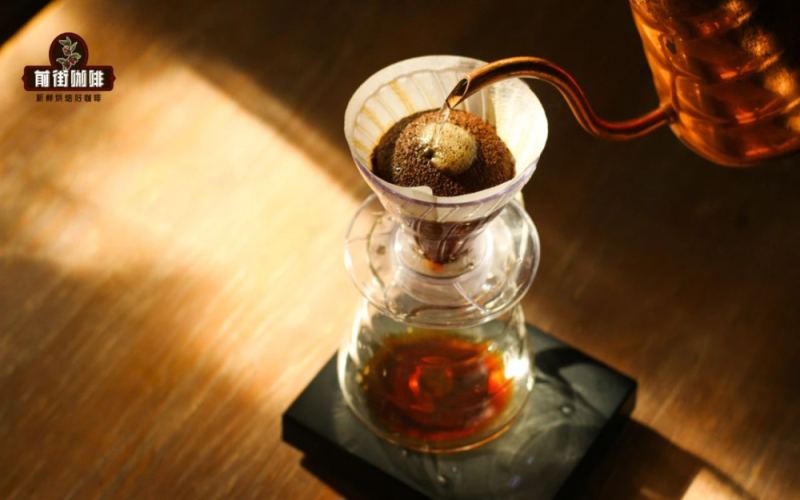
Can Pour-Over Coffee Make a Latte? A Correct Reverse-Brewing Method and Key Points for Extracting Milk Coffee
Recently, a "reverse brewing" method has become popular in the coffee world—first mixing and soaking the coffee grounds and water to complete extraction, then using a paper filter and dripper to filter out the grounds, resulting in a highly concentrated coffee liquid used to make milk coffee. After being asked about this method by customers in-store, Front Street Coffee specifically sorted out the principles and operation of this approach. Strictly speaking, this is no longer "brewing" but immersion extraction, similar to a smart cup or French press. Although it cannot match the concentration of an espresso machine or moka pot, for households without pressure equipment, it is a practical alternative to satisfy a craving for milk coffee. This article will explain why making milk coffee requires high concentration, how to choose beans, and the specific extraction parameters and steps for Front Street Coffee's Strawberry Candy · Geisha Blend. [more…]

How Does an Oat Milk Latte Differ from a Milk Latte? Master Three Key Points to Make Delicious Plant-Based Milk Coffee
For friends who are lactose intolerant, an oat milk latte is an excellent alternative for enjoying a milk coffee. But many people who make lattes at home with oat milk often find the taste somewhat bitter and not as smooth as the milk version. In fact, oat milk and dairy milk differ noticeably in composition and characteristics, so simply applying the traditional latte method often yields poor results. Drawing on Front Street's practical experience, this article provides a detailed analysis of the differences between oat milk and dairy milk lattes, and focuses on three key areas—choosing oat milk, adjusting the ratio of coffee to plant milk, and milk frothing techniques—to help you make a full-aroma, smooth-textured oat milk latte at home. [more…]
Drinking Tea in Winter Has Many Benefits: From Boosting Metabolism to Refreshing the Mind, a Detailed Look at Tea's Four Major Health Benefits
No matter how the outside temperature changes, tea can always offer us an ideal beverage choice. Tea symbolizes warmth, comfort, and nourishment; in cold seasons, holding a cup of hot tea feels like giving yourself a gentle hug. The rich nutrients contained in tea leaves help purify body and mind. In winter, the body's resistance tends to decline, and sticking to a regular tea-drinking habit can help maintain health in many ways. This article will explain in detail the four main benefits of tea: speeding up metabolism, soothing emotions, relieving colds, and refreshing the mind, while also introducing alternative choices such as herbal teas and recommending quality tea products from the Front Street brand to help you get through a warm and healthy winter. [more…]